
Why the Week After Daylight Saving Time Is Harder on Your Body Than It Looks
March 19, 2026
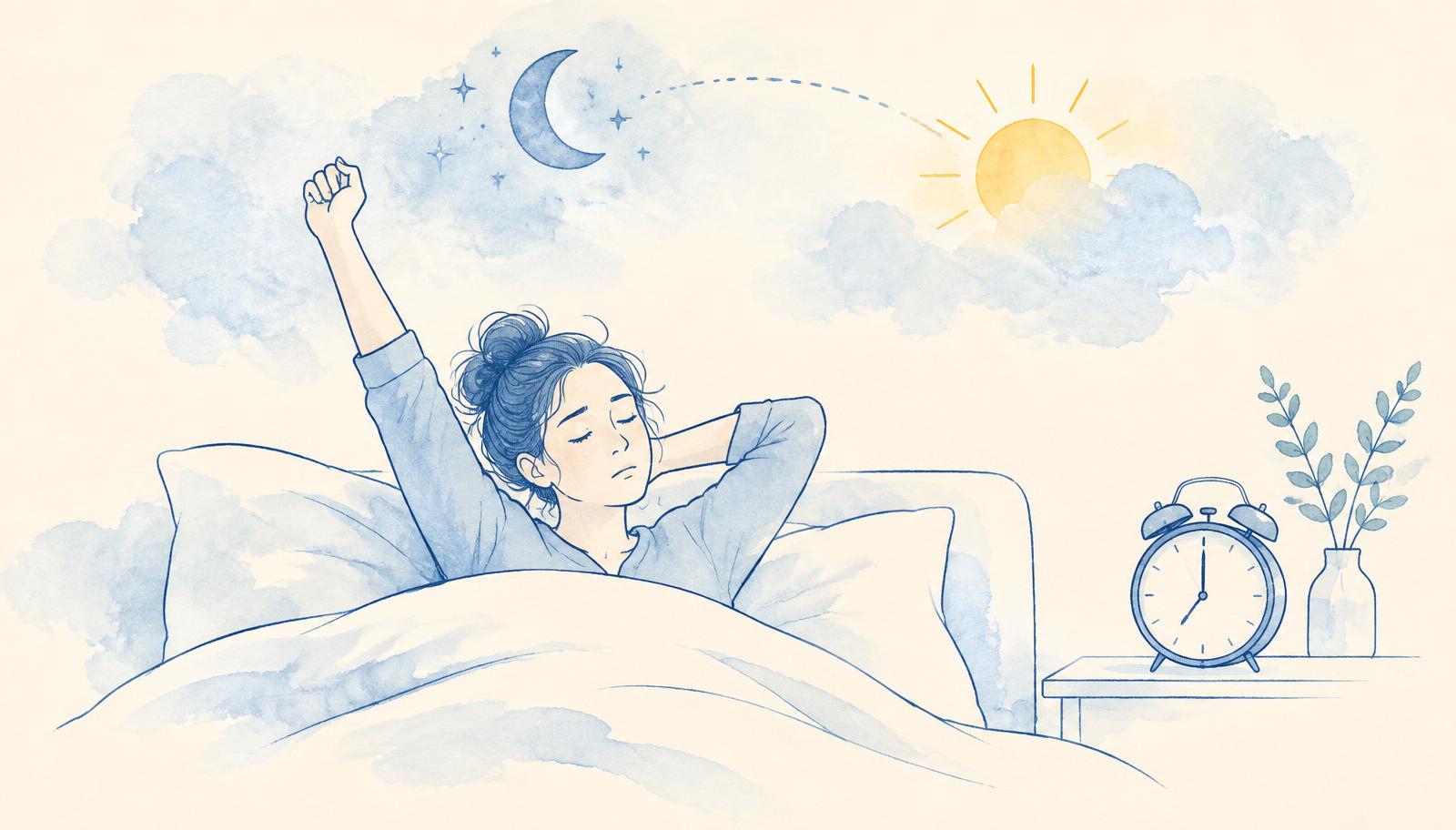
Most people expect to feel off for a day or two after the clocks move forward. What the research shows is that the effects run deeper and last longer than most expect. In the two weeks following the spring time change, there are consistent increases in cardiovascular events, traffic accidents, workplace injuries, and mood disturbances — not because of one lost hour of sleep, but because that shift compounds existing sleep debt in people who were already running below their baseline.
The problem is rarely the single hour. It is the disruption to circadian rhythm — the internal clock that regulates body temperature, cortisol, blood pressure, and immune function. When that clock is misaligned, even by a small margin, the downstream effects accumulate. For people already managing sleep-disordered breathing, cardiovascular conditions, or mood disorders, the transition amplifies what is already present.
Recovery is also slower than most expect. For some people, particularly those with underlying sleep disorders, full circadian realignment after a spring time change can take one to two weeks rather than the one to two days commonly assumed.
What this means for you
Feeling unusually fatigued, irritable, or mentally foggy in the weeks after a time change is not being dramatic — it reflects real physiological disruption.
If your sleep quality worsens significantly and does not recover within two weeks, that is worth a conversation with your provider.
Consistent bedtimes, morning light exposure, and limiting screens in the evening all speed up realignment.
The bottom line
Daylight Saving Time is a minor inconvenience for a well-rested person and a significant disruption for someone carrying sleep debt.
This article is for education only and isn't a substitute for medical care. Questions about your situation? Call the office — we're happy to help.