
Spring Allergies and Sleep Apnea: More Connected Than Most People Realize
April 2, 2026
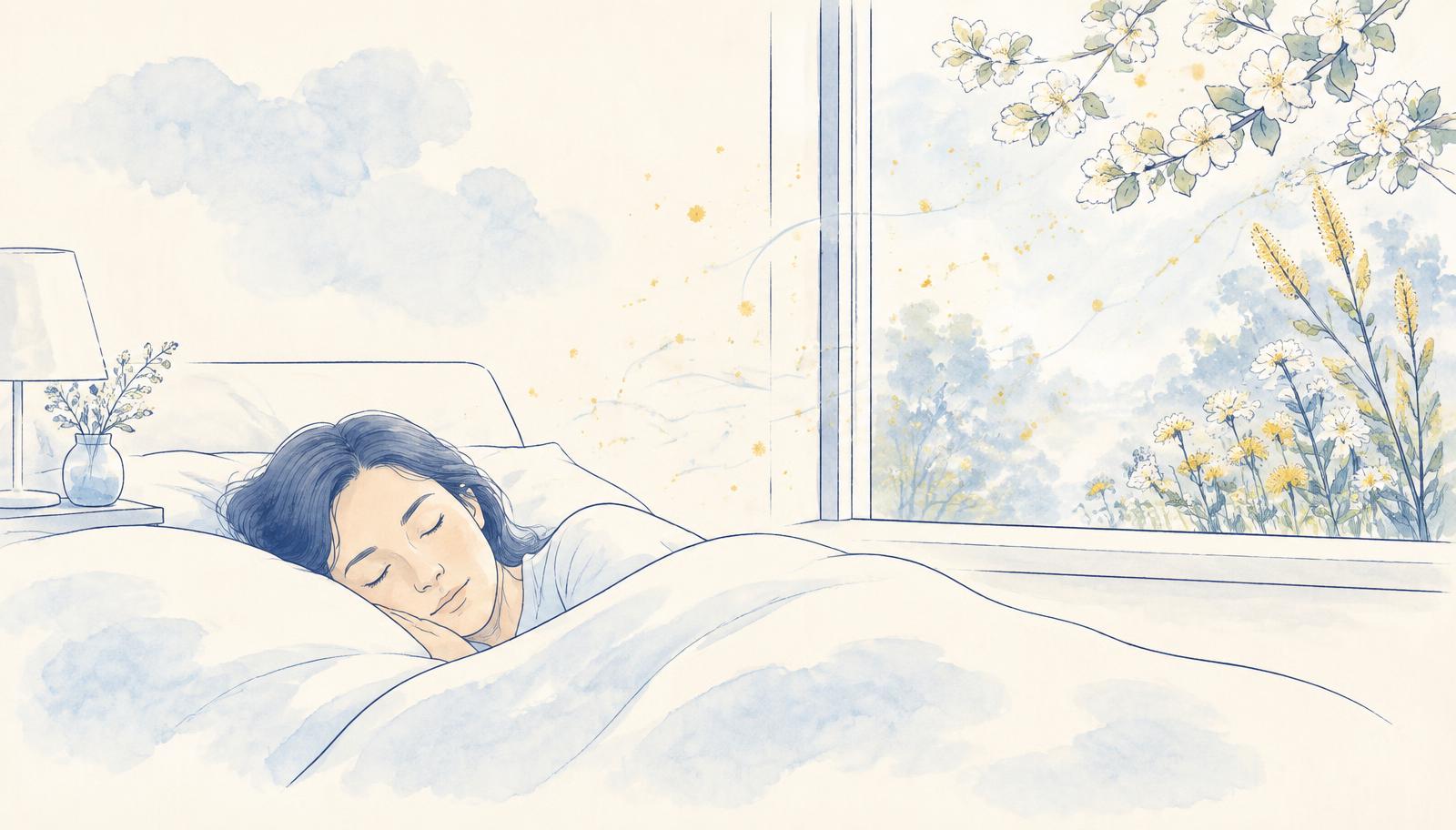
Spring allergy season in the Midwest typically arrives in March and accelerates through April. For many people, that means nasal congestion, disrupted sleep, and fatigue that gets blamed entirely on pollen counts. What often goes unrecognized is that seasonal nasal obstruction can unmask or significantly worsen sleep-disordered breathing — including obstructive sleep apnea — in people who were previously fine or borderline.
The connection is anatomical. When nasal passages are inflamed and partially blocked, breathing shifts toward the mouth during sleep. Mouth breathing increases upper airway resistance, reduces the stabilizing effect of nasal airflow, and creates the conditions for airway collapse and fragmented sleep. In people with existing risk factors — a recessed jaw, large tonsils, higher body weight, or a history of snoring — allergy season can push a borderline problem into clearly significant territory.
This mechanism also works in reverse. People with undiagnosed obstructive sleep apnea frequently carry higher levels of inflammation that can amplify the allergic response — creating a cycle that is difficult to break with antihistamines alone.
What this means for you
If your sleep worsens significantly every spring, the cause may not be allergies alone.
Snoring that appears or worsens during allergy season warrants attention — particularly if it comes with daytime fatigue or morning headaches.
Treating nasal inflammation can improve sleep quality, but if symptoms persist beyond allergy season, further evaluation is appropriate.
The bottom line
When allergy season coincides with worsening sleep, the airways are usually telling you more than one story.
This article is for education only and isn't a substitute for medical care. Questions about your situation? Call the office — we're happy to help.